Case study · Robotics
Functional FDM parts for the BBC Mars Rover
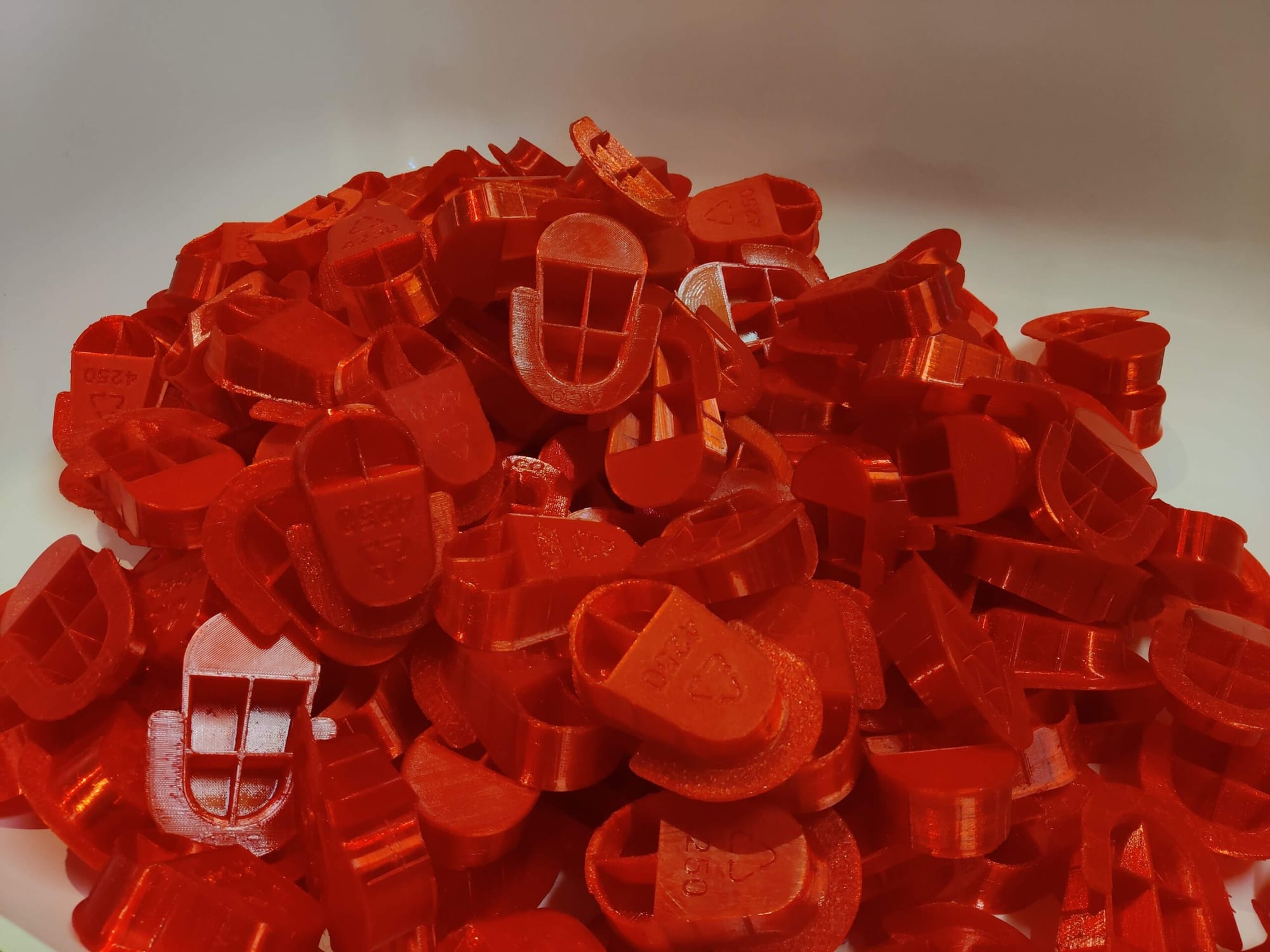
Functional FDM parts for a BBC Mars Rover project, including a wheel with chevron tread, printed to fit and run in a working mechanism.
Get an instant quote (opens in a new tab)
- Industry
- Robotics
- Process
- FDM
- Part type
- Functional (working mechanism)
- Inspection
- Mating features checked before dispatch
Brief
- Parts had to work inside a running rover mechanism.
- Tolerances had to be tight enough for the parts to assemble and turn.
- Parts had to arrive when the project timetable needed them.
- Stage 1
Brief and geometry review
We reviewed the mechanism and its interfaces first, and agreed tolerances and fits before printing.
- Stage 2
Print for function
Parts were built to run in the mechanism.
- Stage 3
Hold the tolerances
Mating features were checked so the parts assembled and operated correctly.
- Stage 4
Client contact during the build
Questions were settled with the client during the build.
Delivered
- Functional components delivered for the BBC Mars Rover project.
- Geometry met the quality standard for production use.
Why this process and material
Critical tolerances
A wheel or drive assembly has rotating and sliding interfaces. Small errors add up where parts mate, so those features are identified and measured.
Why FDM
FDM produces a functional part quickly and allows design changes without tooling.
Why inspect
A check against the drawing before dispatch finds problems before the part leaves our facility.
Summary of the engineering approach
A wheel or drive assembly has rotating and sliding interfaces, and small errors add up where parts mate. For that reason the mechanism and its interfaces were reviewed first, tolerances and fits were agreed before printing, and the mating features were checked against the drawing before dispatch. FDM gave functional parts quickly and allowed design changes without tooling.
Questions about this project
What did HenleyPrint3D make for the BBC Mars Rover project?
Functional FDM parts that had to work inside a running rover mechanism, including a printed wheel with chevron tread and spoked hub.
How were the parts made to fit?
Tolerances and fits were agreed before printing, and mating features were checked so the parts assembled and operated correctly.
Why use FDM for this project?
It makes a functional part quickly and allows design changes without tooling.
Suggested next steps
Recommendations for taking the part further. None of this is completed work.
- Heat-set threaded inserts at fastening points, so the rover can be stripped down repeatedly.
- A stronger engineering-grade material for the most heavily loaded parts.
- A drawing of the critical dimensions, so a replacement can be made to the same tolerance.