Case study · Industrial
Flexible TPU parts, 3D printed as a batch
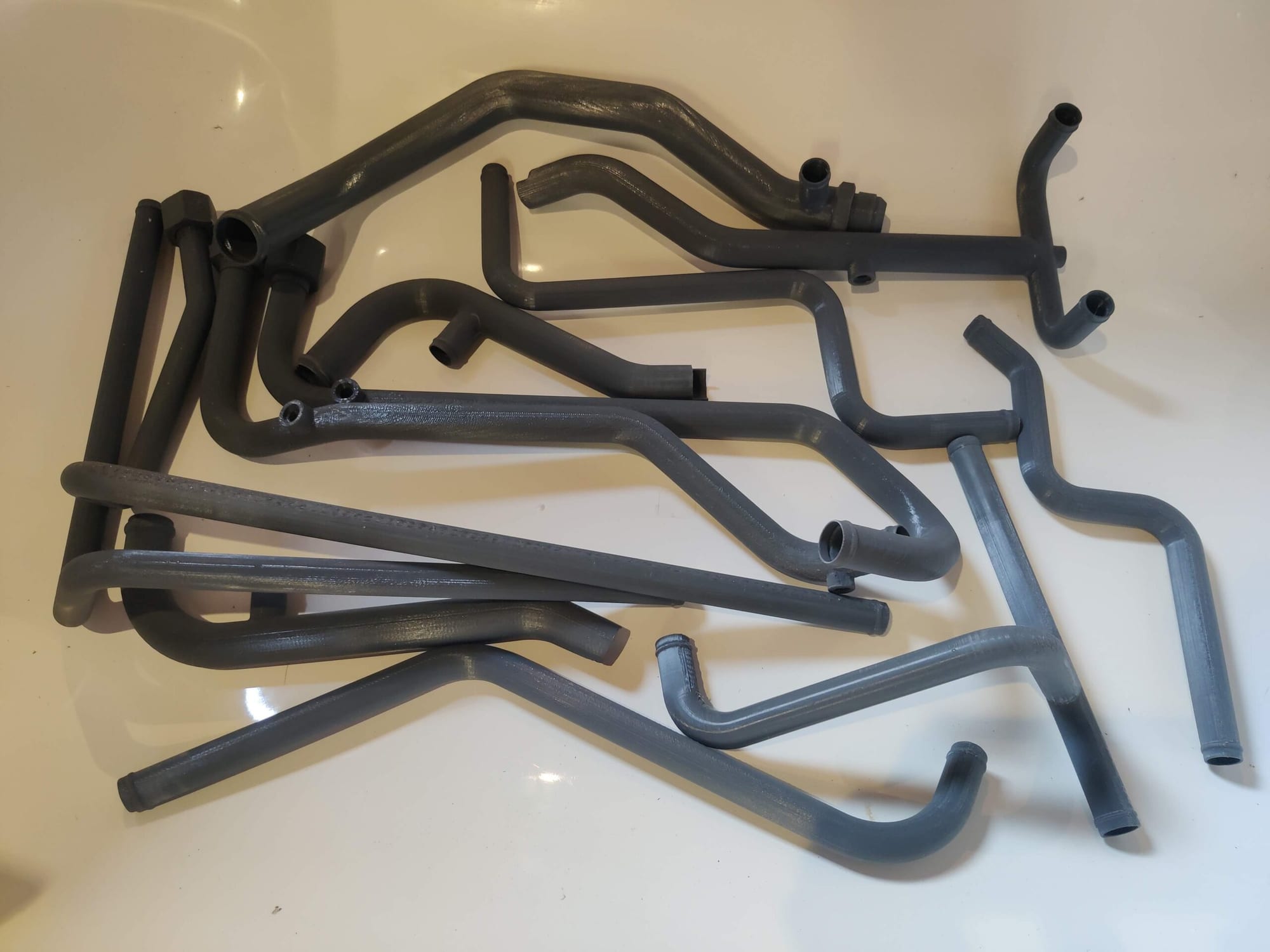
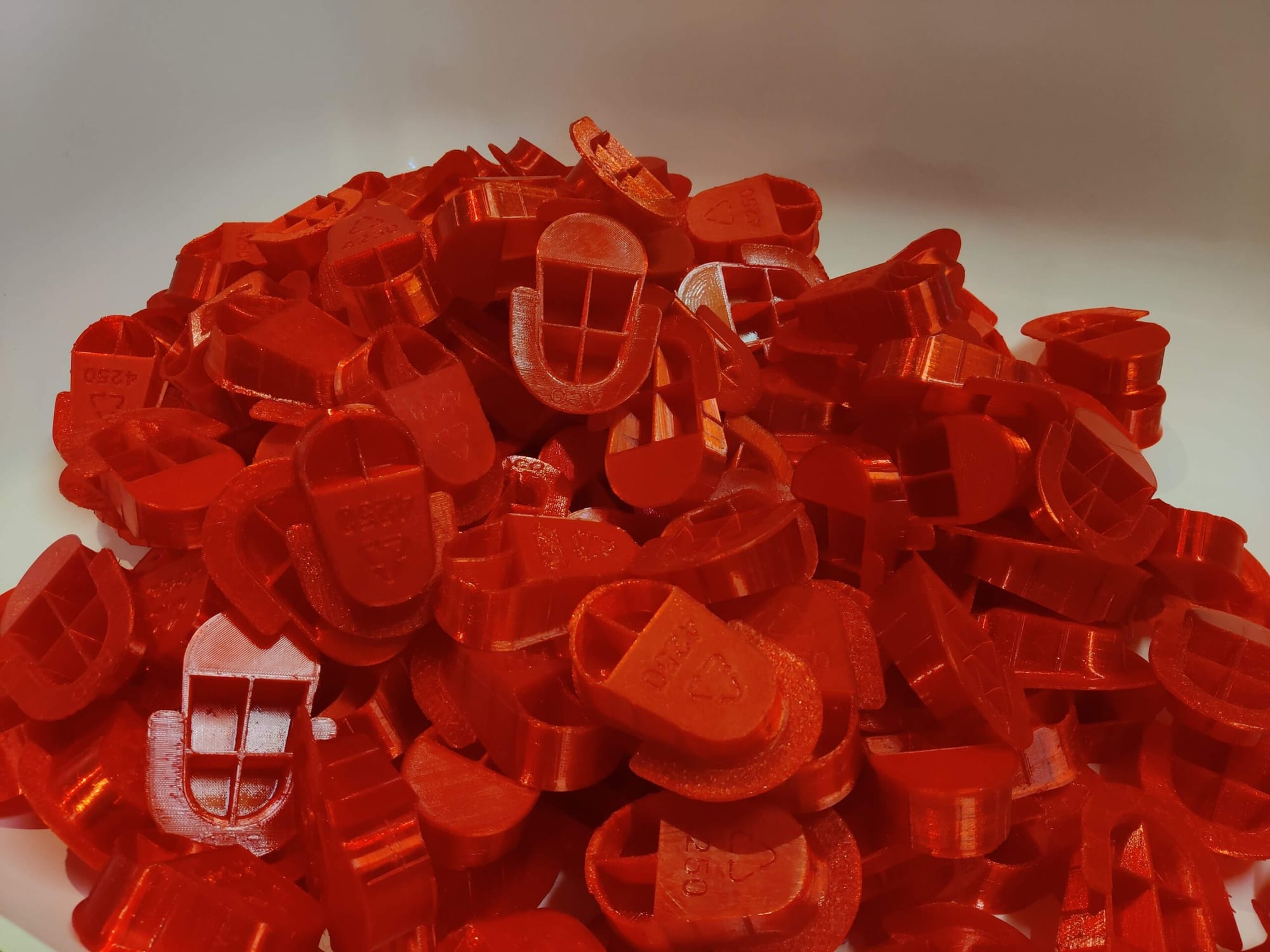
A batch of flexible 95A TPU parts for an industrial customer, printed in FDM with the same surface and properties from part to part.
Get an instant quote (opens in a new tab)
- Material
- TPU, 95A Shore
- Elongation
- About 600% at break
- Production
- Batch
- Finish
- Uniform, inspected
- Process
- FDM
Batch controls
| No. | Control | What we did |
|---|---|---|
| 01 | Material | TPU, 95A Shore, about 600% elongation at break |
| 02 | Process parameters | Fixed for the whole batch, feed and retraction included |
| 03 | Finishing | One finishing standard applied to every part |
| 04 | Inspection | Every part against the same standard |
| 05 | Outcome | Uniform surface across the run |
Challenge
- Consistent mechanical properties and surface across the batch.
- Enough elasticity and resilience for the application.
- TPU is harder to print than rigid plastics.
Approach
- Pick TPU for the duty. TPU is flexible, abrasion resistant and durable.
- Lock the process. Fixed parameters give part-to-part consistency.
- Finish and inspect. Every part was finished and inspected to one standard.
Result
- A repeatable batch of flexible components.
- Uniform surface quality across the run.
Why this process and material
Why TPU
Our TPU is 95A Shore with about 600% elongation at break, so parts can be bent, squashed and deformed without breaking.
Why soft filament needs control
It is sensitive to feed and retraction settings. Fixed, recorded parameters keep one part the same as the next.
Why one standard
A batch is judged as a set, so every part is finished and inspected the same way.
Summary of the engineering approach
TPU suited the duty because it is flexible, abrasion resistant and durable. Ours is 95A Shore with about 600% elongation at break, so parts can be bent, squashed and deformed without breaking. Soft filament is sensitive to feed and retraction settings, so the parameters were fixed and recorded for the whole batch, and every part was finished and inspected to one standard because a batch is judged as a set.
Questions about this project
What TPU was used?
TPU of 95A Shore hardness with about 600% elongation at break.
Why is TPU harder to print than rigid plastics?
It is sensitive to feed and retraction settings. Fixed, recorded parameters keep one part the same as the next.
How was consistency held across the batch?
Process parameters were fixed for the whole run, one finishing standard was applied, and every part was inspected against the same standard.
Suggested next steps
Recommendations for taking the part further. None of this is completed work.
- An approved master part and a visual standard for later batches.
- A different Shore hardness if the application needs more or less stiffness.
- A durability test cycle to confirm service life in the end application.