Case study · Medical
3D printed components for medical research
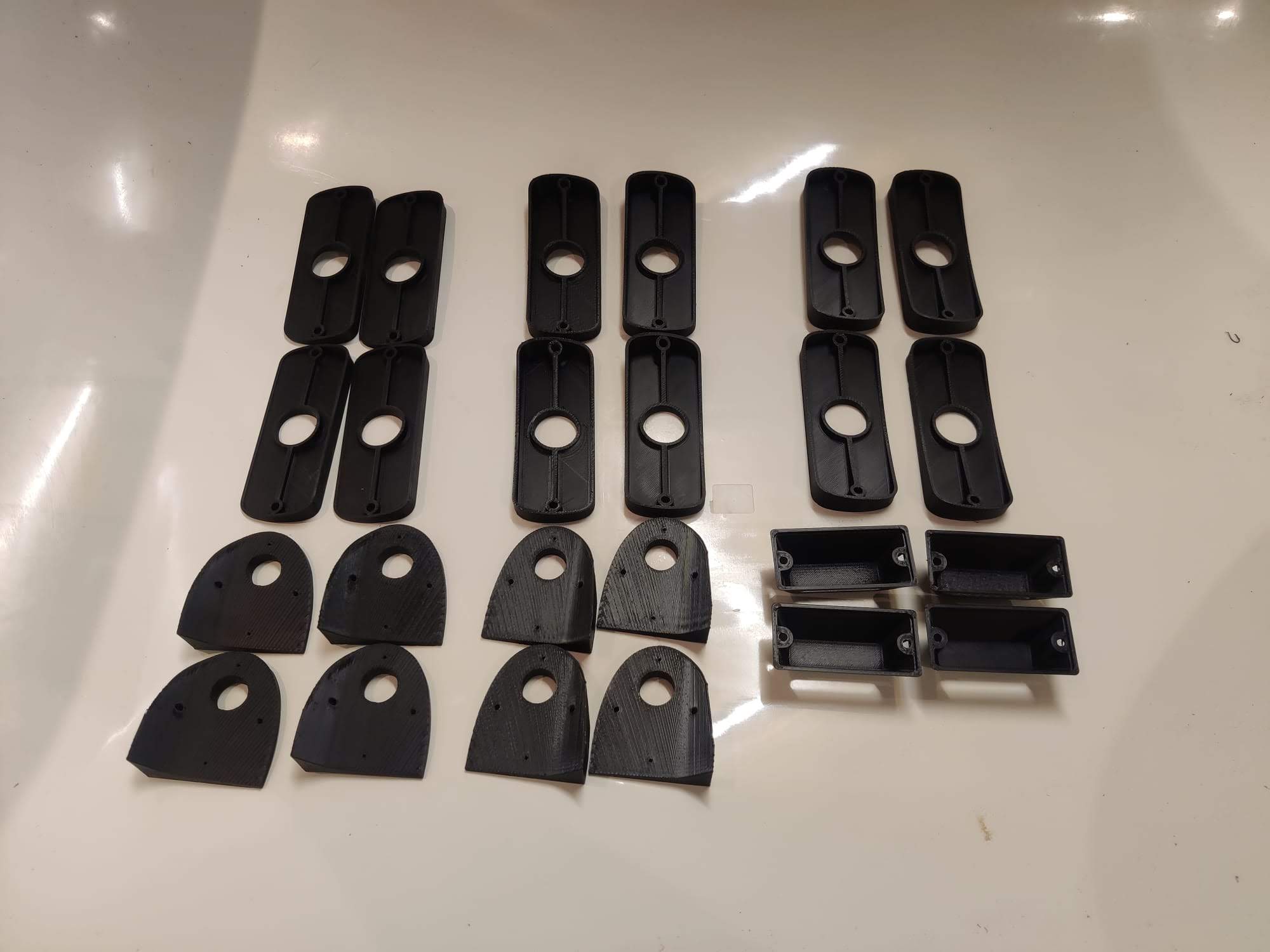
3D printed components for a medical research application, made to a controlled specification with traceable records for each delivery.
Requirements
- R1Accuracy: dimensions that do not drift between parts.
- R2Consistency: the same material and parameters throughout.
- R3Records: lot, parameters and inspection per part.
- Dimensional accuracy and material consistency are essential.
- A controlled specification with full traceability.
- Results depend on the parts being repeatable.
Method
- 01
Build to the specification
Tight tolerances to meet the research requirements.
- 02
Choose stable materials
Chosen for stability, finish and suitability for the application.
- 03
Document
Records to support the research workflow and its validation.
Outcome
- Components made to a controlled specification.
- Traceability that supported validation of the research.
Why this process and material
Why accuracy matters
Parts in an experimental rig are variables. If dimensions drift, results can drift with them.
Why traceability
Material lot, parameters and inspection recorded per part let results be tied to specific parts.
Process choice
High-resolution processes such as SLA suit fine detail.
Summary of the engineering approach
Parts in an experimental rig are variables: if dimensions drift, results can drift with them. The work was therefore built to a controlled specification with tight tolerances, stable materials and records of material lot, parameters and inspection per part, so results could be tied to specific parts. Any biocompatibility or sterilisation requirement should be confirmed with the application owner before a material is chosen.
Questions about this project
Why does traceability matter in research?
Material lot, parameters and inspection recorded per part let results be tied to specific parts and support validation.
Which process suits fine detail?
High-resolution processes such as SLA suit fine detail.
What if parts move towards regulated use?
Process validation would be needed, and any biocompatibility or sterilisation requirement should be confirmed with the application owner before choosing a material.
Suggested next steps
Recommendations for taking the part further. None of this is completed work.
- A standing documentation pack with every delivery.
- Confirm any biocompatibility or sterilisation requirement with the application owner before choosing a material.
- Process validation, if parts move from research towards regulated use.