Case study · Automotive
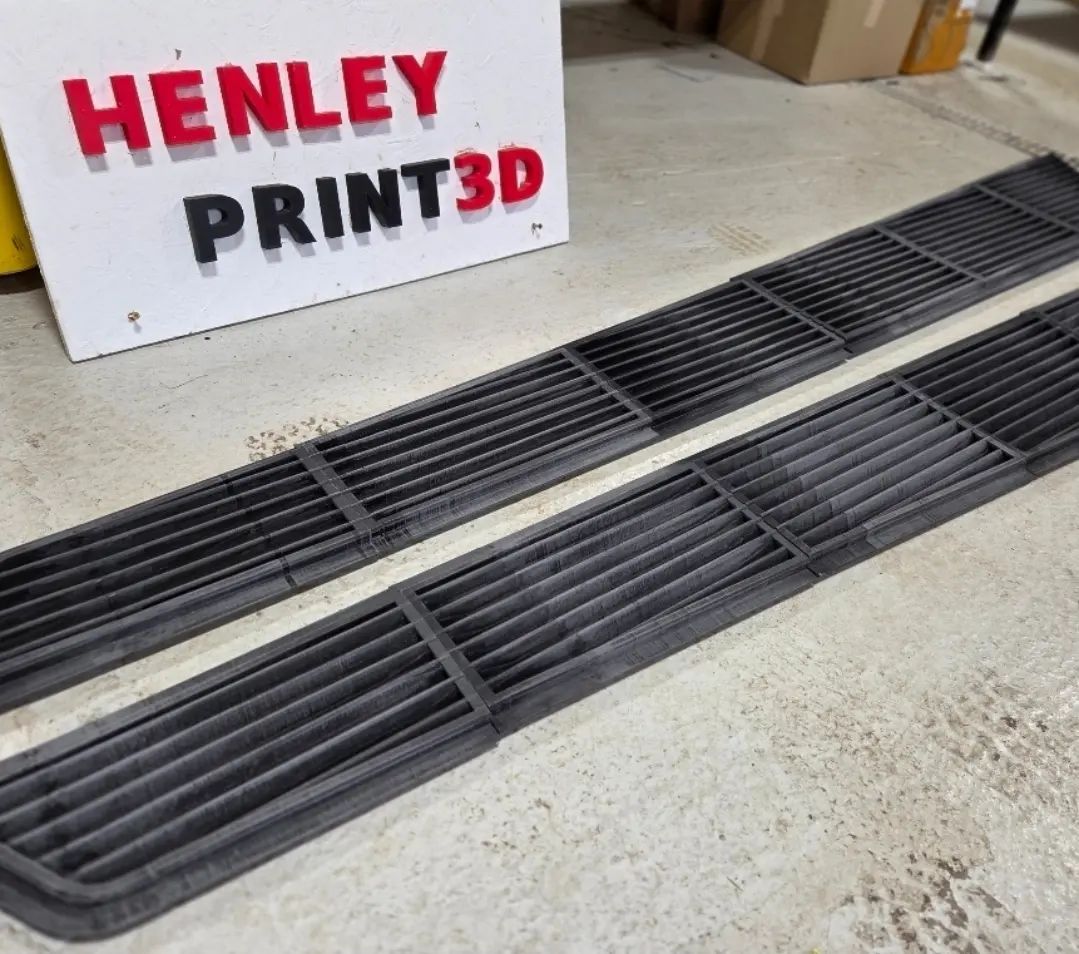
Reverse-engineered Porsche turbocharger air intake in FDM
A replacement air intake for a Porsche turbocharger application, reverse engineered from the original and printed in a high-temperature FDM material so it fits without rework.
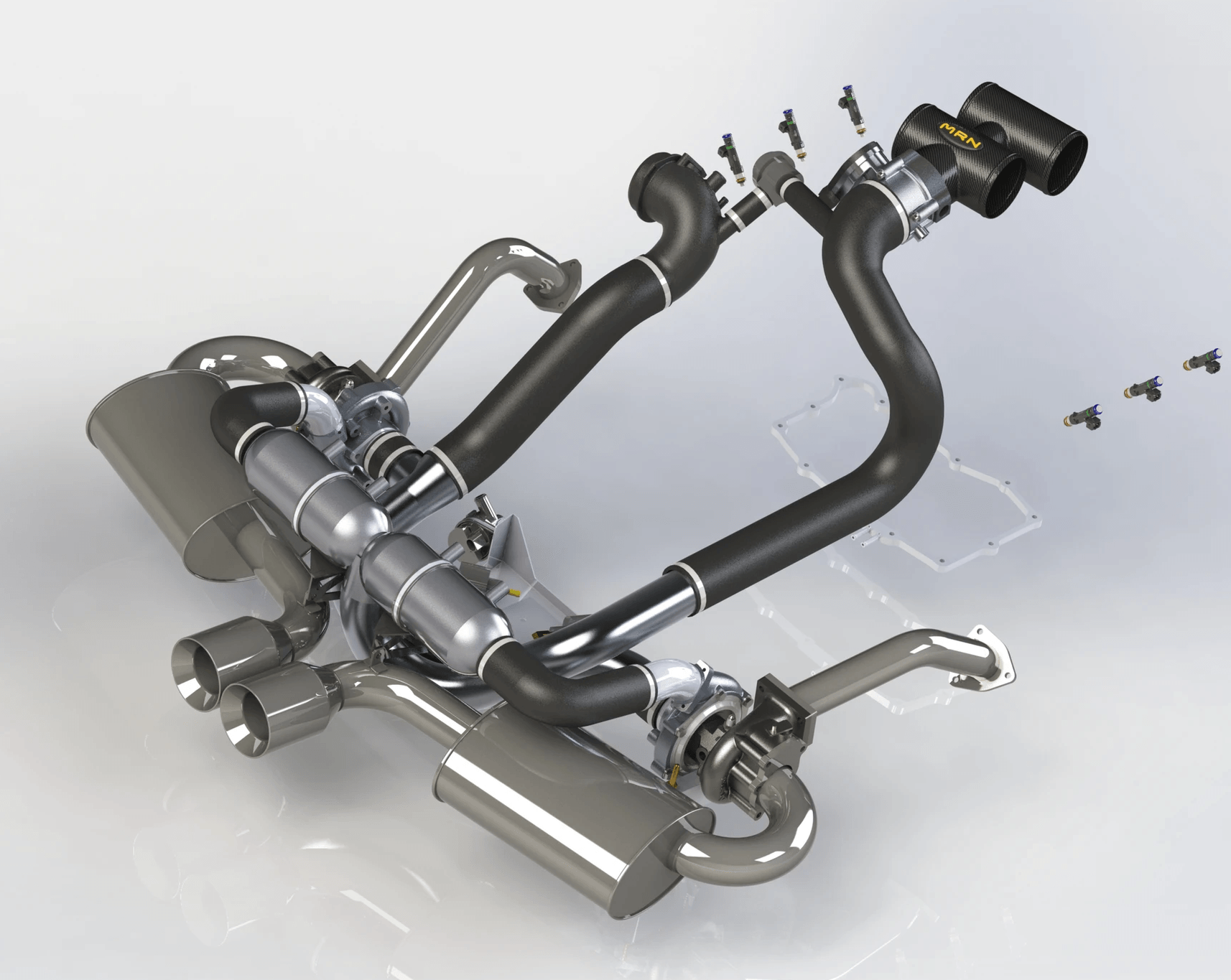
- 1Twin-outlet intake body (CAD model)
Requirements
- R1Fit: locating and sealing interfaces match the original.
- R2Duty: temperature and boost pressure of the intake tract.
- R3Install: no rework on the vehicle.
- Recreate an intake where the original geometry decides the fit.
- Meet the thermal and pressure duty of the intake tract.
- Fit first time, with no rework on installation.
Method
- 01
Digitise the original
The part was scanned and re-modelled to capture every mounting and sealing interface.
- 02
Rebuild the model
Functional interfaces were reproduced exactly. The rest was cleaned up for additive manufacture.
- 03
Choose the material
Chosen to withstand the temperature and pressure of the intake tract.
- 04
Check before release
Dimensional checks confirmed a drop-in fit.
Outcome
- A replacement that met the fitment and thermal requirements of the engine bay.
- Installed with no rework.
Why this process and material
Why re-model the scan
Scan data approximates a surface. Re-modelling gives clean CAD where flanges, bosses and seal faces are defined by design intent.
Why the material matters
Intake air can be hot and pressurised under boost. Standard materials can soften or creep, so the material is matched to the duty.
Why check fit features first
Interfaces that seal or locate decide whether a part drops in.
Summary of the engineering approach
Scan data approximates a surface, so the original was re-modelled to give clean CAD with flanges, bosses and seal faces defined by design intent. Interfaces that seal or locate decide whether a part drops in, so these were reproduced exactly and checked dimensionally before release. Intake air can be hot and pressurised under boost, and standard materials can soften or creep, so a high-temperature material was matched to the duty.
Questions about this project
How was the Porsche air intake recreated?
The original was scanned and re-modelled, reproducing every mounting and sealing interface exactly and cleaning up the rest for additive manufacture.
Why a high-temperature material?
Intake air can be hot and pressurised under boost. Standard materials can soften or creep, so the material was matched to the duty.
Did it fit first time?
Yes. Dimensional checks confirmed a drop-in fit and it was installed with no rework.
Suggested next steps
Recommendations for taking the part further. None of this is completed work.
- A pressure and thermal soak test on a sample, to record a validated operating envelope.
- Reshape the internal flow path, now that the part is not bound by a casting or moulding process.
- Archive the CAD so more units can be made without re-scanning.