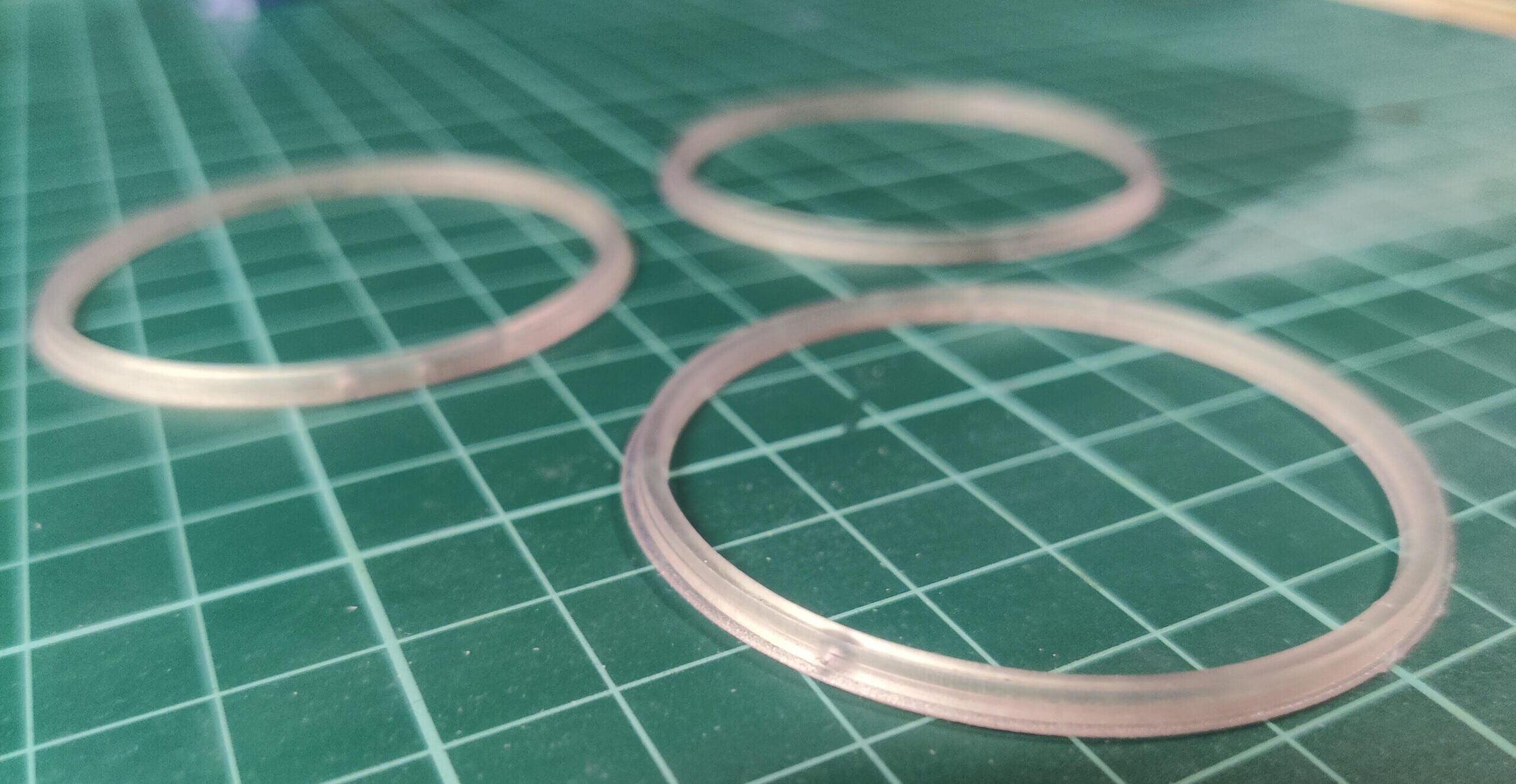
Case study · Automotive
Electrifying vintage cars: reverse-engineered FDM parts
Restoration and electric-conversion parts for classic cars, scanned, re-modelled and printed in FDM in quantities of one to a handful, without tooling.
Brief
- Original parts are no longer available.
- Critical interfaces must be reproduced accurately and affordably.
- New parts must look right beside original trim and hardware.
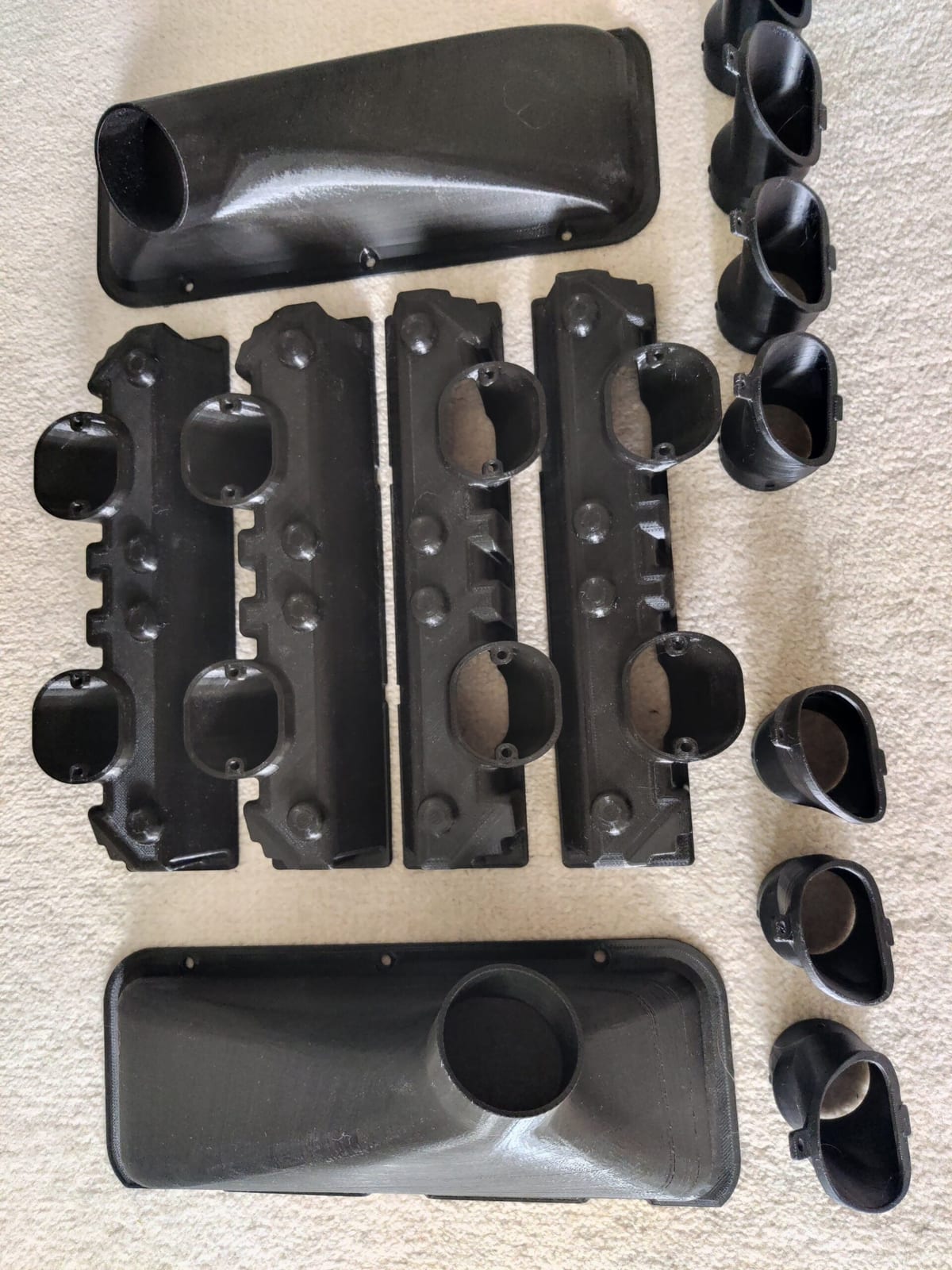
Delivered
- Replacement parts recreated from the originals without tooling.
- Restoration and electric-conversion parts ready to fit.
Approach
- 01
Digitise what exists
Existing components were scanned and re-modelled to reproduce critical interfaces.
- 02
Make low volumes without tooling
Quantities of one to a handful carry no tooling cost.
- 03
Match the finish
Parts were finished to match the surrounding trim and hardware.
Why this process and material
Why reverse engineer
Where drawings are missing, the part is the specification. Re-modelling captures its intent.
Why additive suits restoration
A quantity of one to a handful makes tooling uneconomic.
Why finish matters
Visible parts on a classic car are judged against period hardware, so finish is specified with the fit.
Summary of the engineering approach
Where drawings are missing, the part is the specification, so existing components were scanned and re-modelled to capture the intent of critical interfaces. A quantity of one to a handful makes tooling uneconomic, which is why additive manufacture suited the work. Visible parts are judged against period hardware, so finish was specified together with the fit.
Questions about this project
How are parts made when originals are unavailable?
Existing components are scanned and re-modelled to reproduce critical interfaces, then made without tooling.
Is tooling needed?
No. There is no tooling cost for quantities of one to a handful.
How do the parts look beside original trim?
Parts were finished to match the surrounding trim and hardware.
Suggested next steps
Recommendations for taking the part further. None of this is completed work.
- Keep the model library, so later conversions can reuse mounting brackets and covers.
- Assess heat and fluid exposure per part, such as battery bays or motor housings, before choosing materials.
- A small batch, if several vehicles share an adaptation.