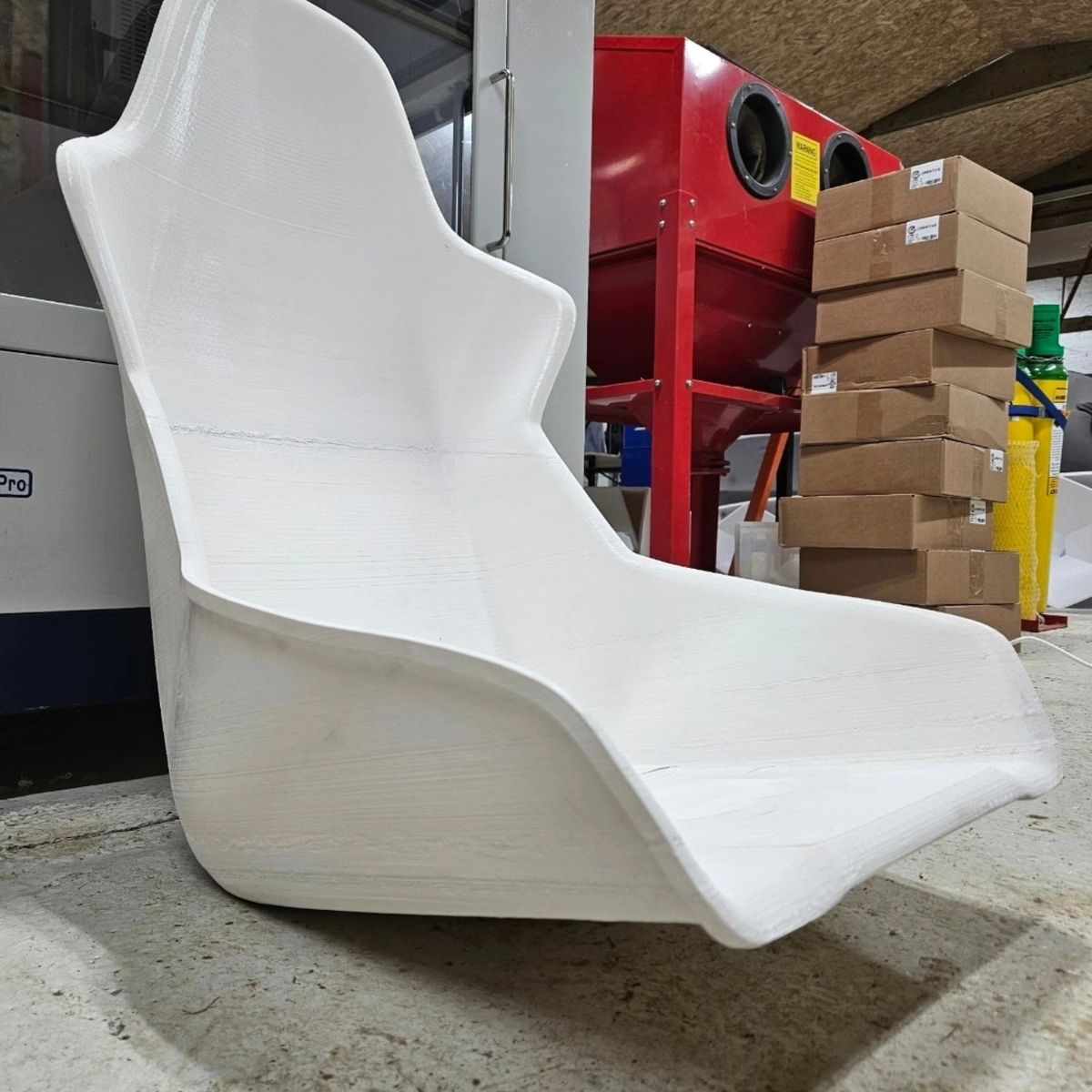
Case study · Motorsport
Carbon-fibre injector manifolds, 3D printed for motorsport
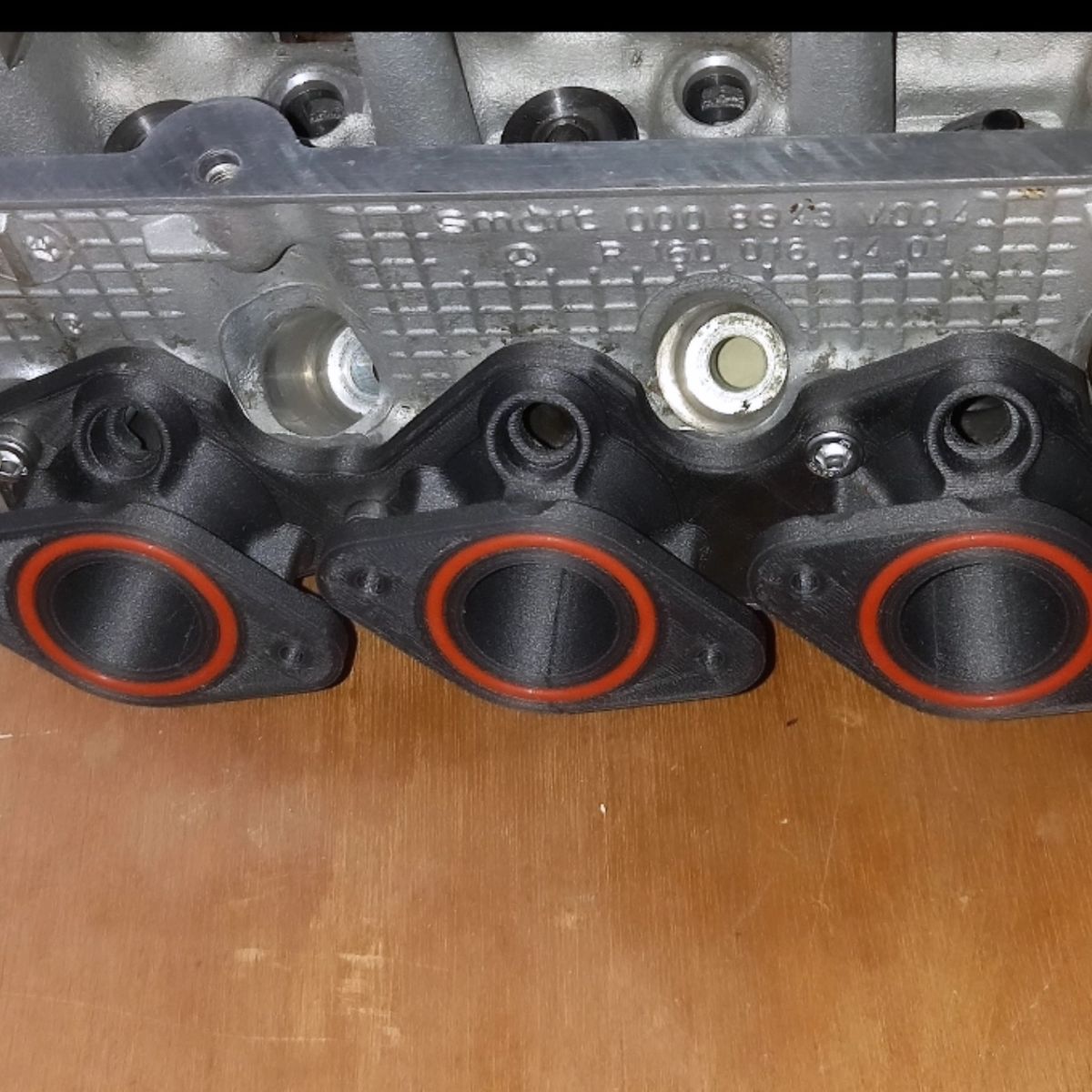
3D printed injector manifolds for a motorsport customer, made in a carbon-fibre filled material for low mass and heat resistance.
Get an instant quote (opens in a new tab)
- Industry
- Motorsport
- Part
- Injector manifold
- Material
- Carbon-fibre filled material
- Properties
- Lightweight, heat resistant
Challenge
- Injector manifolds for a motorsport engine.
- Low mass.
- Resistance to engine heat.
Result
- Lightweight, heat-resistant injector manifolds.
- Supplied to a motorsport customer.
Approach
- 01
Choose a carbon-fibre material
A carbon-fibre filled material, for stiffness and heat resistance.
- 02
Print the manifolds
Flanges, ports and bosses produced as one part.
- 03
Deliver
Supplied to the motorsport customer.
Why this process and material
Why carbon-fibre fill
Fibre fill stiffens thin flanges and helps the part keep its shape near a hot cylinder head.
Why print a manifold
Small runs of engine parts change with each test. Printing needs no tooling and allows quick revision.
Summary of the engineering approach
Fibre fill stiffens thin flanges and helps the manifold keep its shape near a hot cylinder head, while flanges, ports and bosses print as one part. Printing also suits engine parts that change with each test, because there is no tooling to remake between revisions.
Questions about this project
What are the manifolds made from?
A carbon-fibre filled material, chosen for stiffness and heat resistance.
What are they for?
Injector manifolds for a motorsport customer's engine, where low mass and resistance to engine heat were the requirements.
Suggested next steps
Recommendations for taking the part further. None of this is completed work.
- Fit-check each manifold on the engine before the next run.
- Agree the temperature limit with the customer for each revision.