Case study · Agriculture
Welded XL agricultural parts, large-format 3D printed
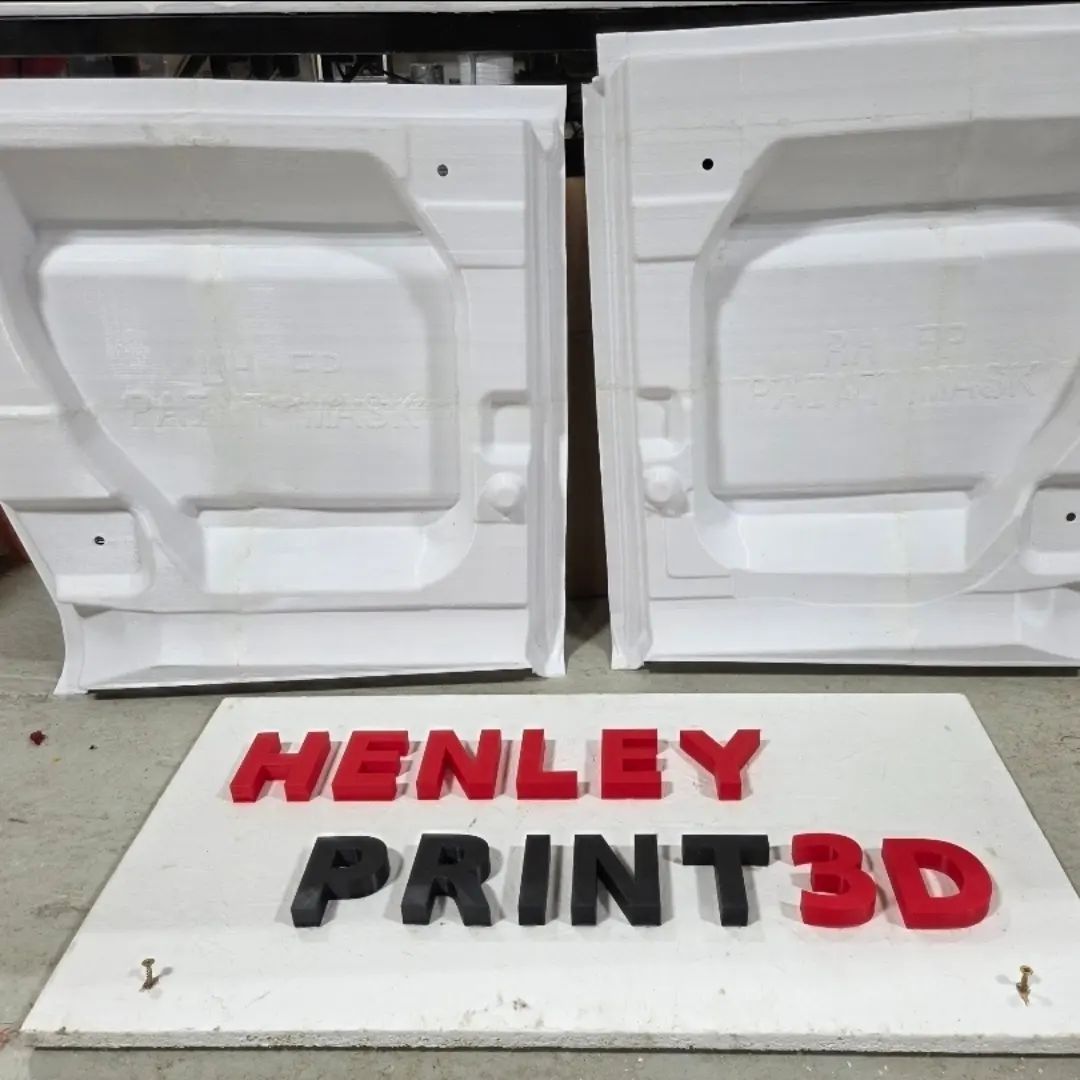
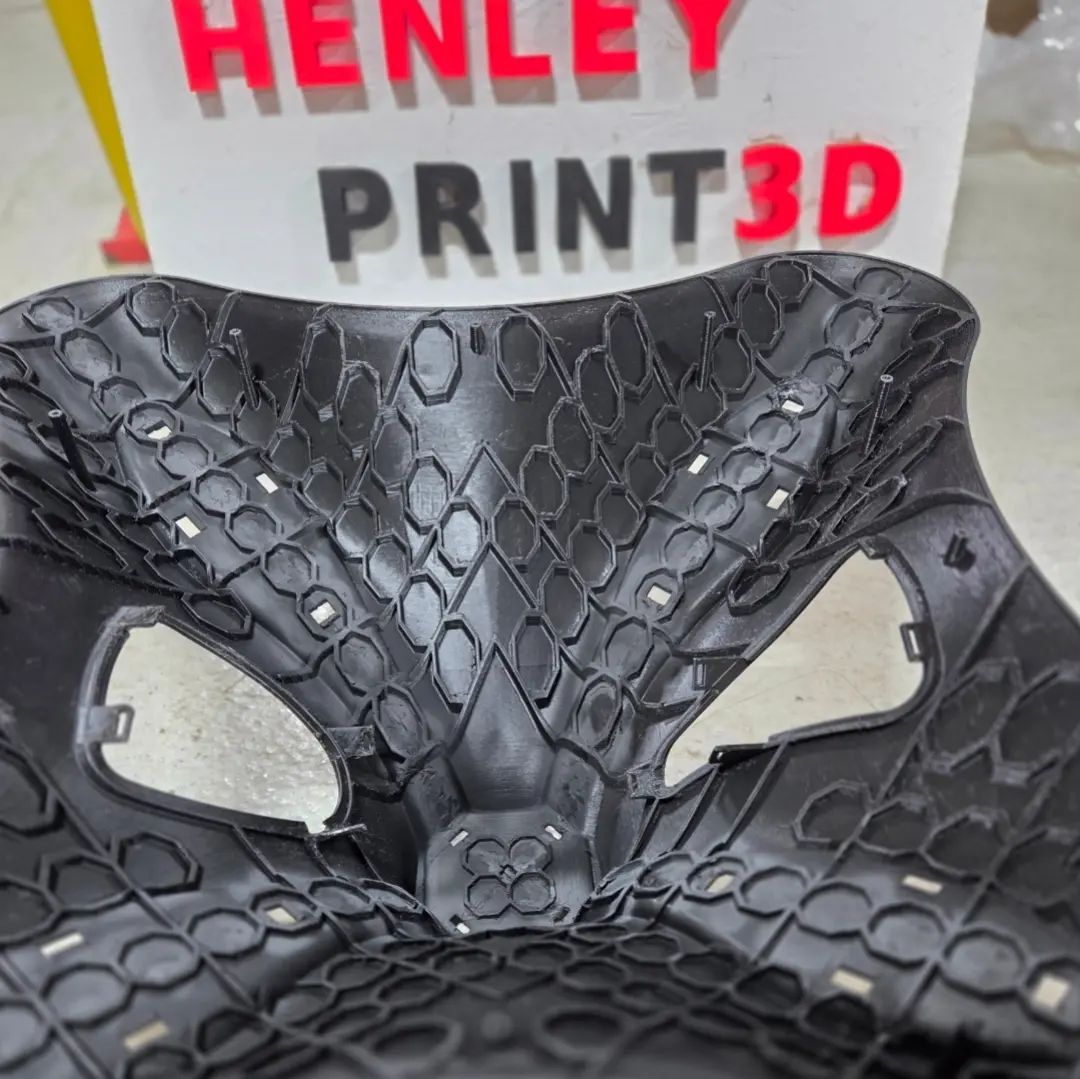
Extra-large agricultural parts for a US client, each printed in four large-format sections and polymer-welded into one piece to tight tolerances.
Get an instant quote (opens in a new tab)
- Industry
- Agriculture
- Process
- Large-format printing
- Joining
- Polymer welding, four sections per part
- Customer
- US agriculture client
Challenge
- Make parts larger than a single print.
- Hold tight tolerances across the welded joints.
Result
- XL parts delivered as single welded components.
- Tight tolerances held across the joins.
- Delivered to a US agriculture client.
Approach
- 01
Split the part
Each XL part was divided into four printed sections.
- 02
Weld the sections
The sections were polymer-welded into one part.
- 03
Hold tolerance
The welded part was made to tight tolerances.
Why this process and material
Why print in sections
A part larger than the build volume has to be split. Printing in sections keeps each piece within the machine.
Why polymer welding
A welded joint joins the plastic itself, so the part behaves as one piece, not as an assembly of bolted panels.
Summary of the engineering approach
A part larger than the build volume has to be split, so each XL part was printed in four sections. Polymer welding joins the plastic itself, so the finished part behaves as one piece rather than an assembly of bolted panels, with tight tolerances held across the joins.
Questions about this project
How were the XL parts made?
Each part was printed in four sections and polymer-welded together.
Who were they for?
A US agriculture client.
Suggested next steps
Recommendations for taking the part further. None of this is completed work.
- Agree the split lines at design stage so the joints fall where the load is lowest.
- Test a welded joint against the duty before the full batch.